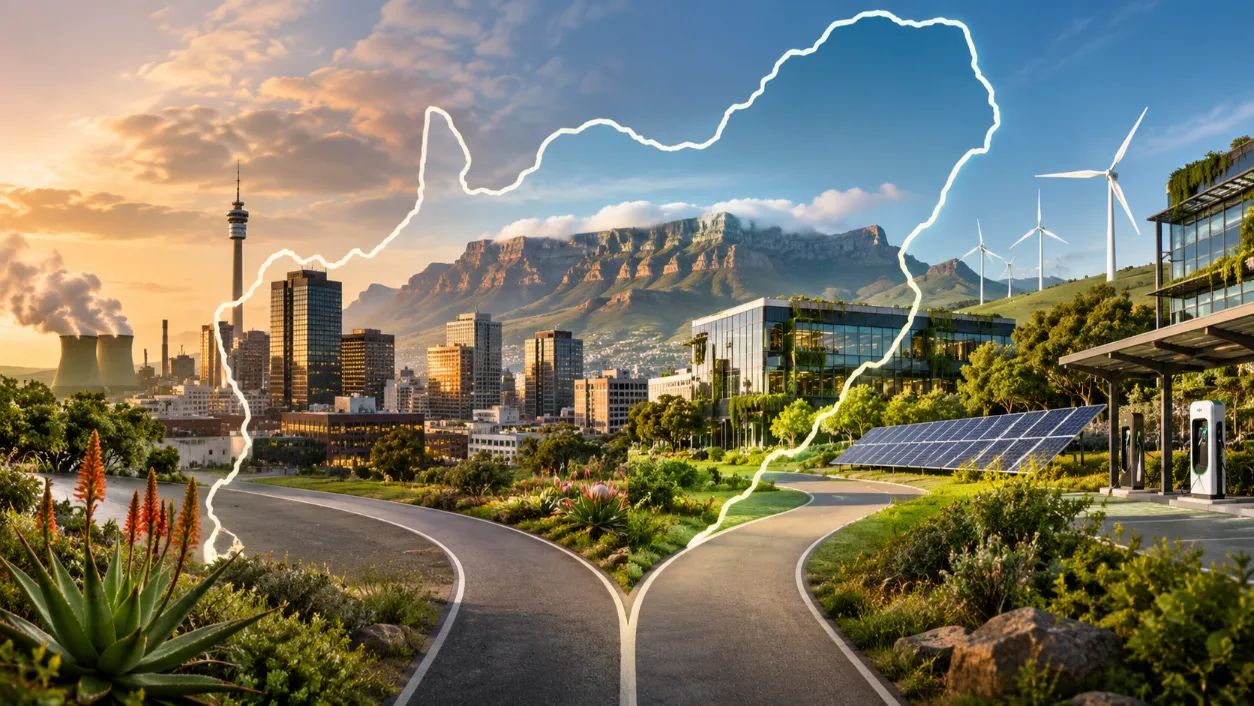
South Africa’s shift to a low-carbon economy is not simply an environmental ambition. It is becoming a business opportunity, and the companies that recognise it early could be best placed to benefit from the next wave of economic growth.
For a country whose economy has historically relied heavily on coal, moving towards cleaner, more resilient systems will require significant investment. But that investment also creates opportunities across energy, transport, agriculture, water, manufacturing and financial services.
The low-carbon transition is not happening in one sector. It is reshaping the way businesses produce, move, build and invest.
Energy: Where the transition starts
Energy remains one of South Africa’s biggest climate challenges. The country’s dependence on coal has made the energy sector a significant contributor to greenhouse gas emissions, while load shedding and rising energy costs have added another layer of pressure for businesses.
This is creating space for investment in renewable and lower-emission energy sources, including solar, wind, hydropower, hydrogen and biofuels.
Businesses do not necessarily need to build a giant renewable-energy project to participate in the transition. Opportunities can also come from installing decentralised energy systems, improving energy efficiency or adopting technologies that reduce reliance on high-emission power.
For investors, the bigger picture is clear: the demand for reliable, affordable and cleaner energy is unlikely to disappear.
More than solar panels: The growth sectors to watch
The low-carbon economy extends well beyond renewable electricity. Low-carbon transport presents opportunities as businesses and cities look for more efficient ways to move people and goods. From electric mobility to improved public transport and more efficient logistics, transport systems are likely to evolve significantly.
Then there is water. South Africa is a water-stressed country, making smart water management an increasingly important business issue. Technologies that reduce consumption, detect leaks, improve treatment and support water reuse can help businesses manage both environmental and operational risks.
The circular economy also opens the door to new business models. Recycling, repair, reuse and resource recovery can reduce waste while creating new revenue opportunities.
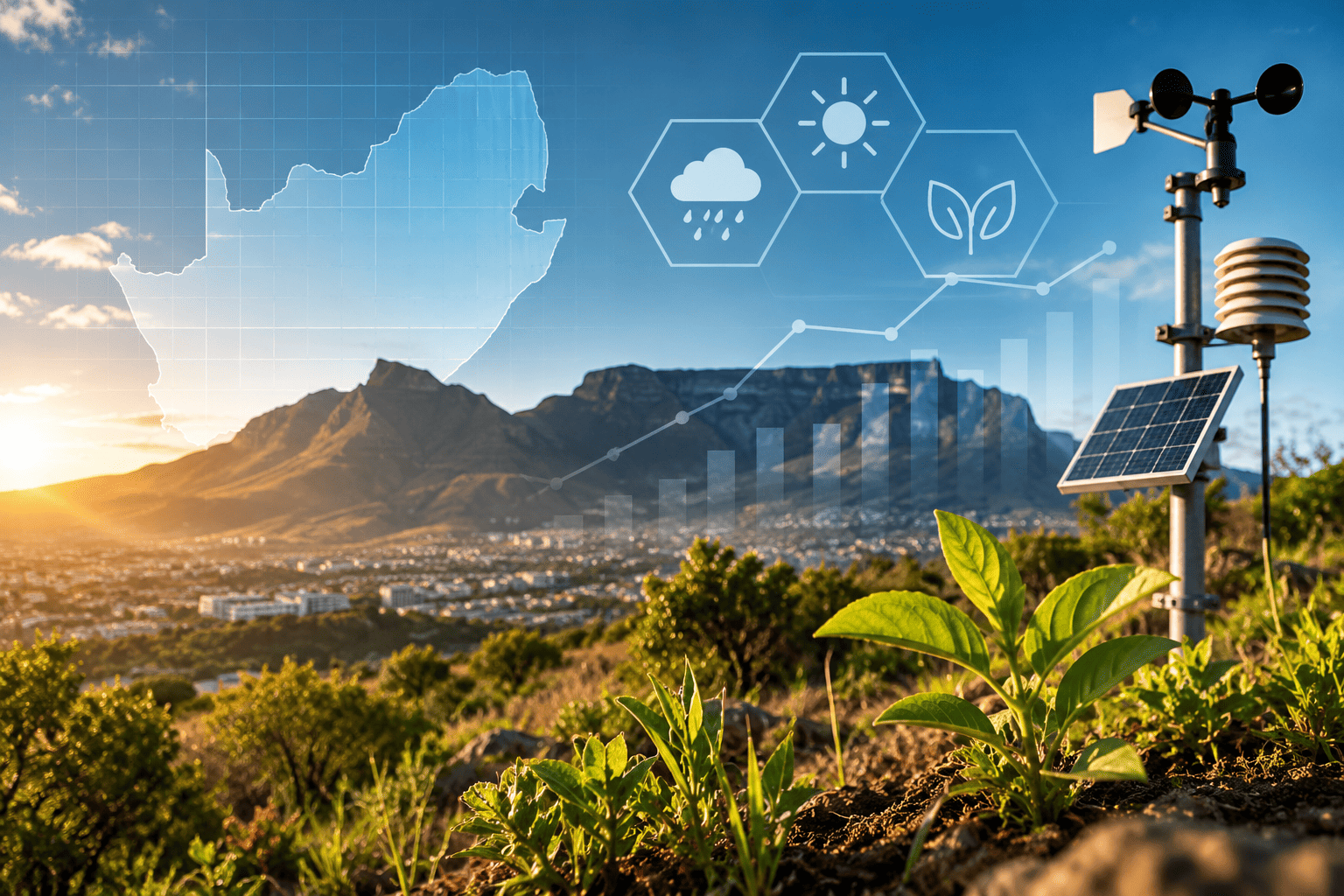
Meanwhile, smart agriculture can help producers respond to changing weather conditions, water constraints and pressure on natural resources through technologies that improve efficiency and resilience.
The private sector has plenty of room to play
The transition is not only about massive infrastructure projects backed by governments and institutional investors. Private businesses can find opportunities much closer to home.
Retrofitting buildings and facilities to improve energy efficiency, reducing water consumption, upgrading equipment and adopting lower-emission technologies can lower operating costs while improving resilience.
There is also an opportunity on the revenue side. Businesses can develop products and services designed for a changing climate, from climate-risk solutions and insurance products to more sustainable goods and technologies.
In other words, sustainability does not have to sit in a separate corner of the business. It can become part of the business model itself.
Turning climate action into financial value
A low-carbon strategy can deliver more than an impressive sustainability report. Resource efficiency can reduce operating costs and improve productivity. Cleaner and more reliable energy can reduce exposure to fossil-fuel price volatility. Sustainable products can open new markets, while resilient assets and supply chains can protect businesses against climate-related disruption.
Companies that adapt early may also find it easier to respond to changing investor expectations and access capital from investors increasingly focused on environmental, social and governance (ESG) considerations.
The financial opportunity, therefore, is not simply about investing in “green” projects. It is about identifying where the transition is changing demand, costs, risks and competitive advantage.
A transition full of possibilities
South Africa’s low-carbon transition will come with challenges, including financing requirements, infrastructure constraints, policy uncertainty and the need to balance economic development with emissions reduction.
But challenges often create markets for businesses willing to solve them. From renewable energy and efficient transport to water technology, circular business models and climate-resilient products, the transition is creating opportunities across the economy.
Final thoughts
The question is no longer whether the low-carbon transition will affect South African businesses and investors. It is how they will respond to it. Companies that understand the financial implications of climate change and identify opportunities early can move beyond simply managing risk. They can use the transition to innovate, improve efficiency, unlock new markets and create long-term value.
For businesses looking to understand how ESG can support compliance, investment readiness and sustainable growth, visit Six Capitals to explore its ESG advisory services and discover how sustainability can become part of a stronger business strategy.