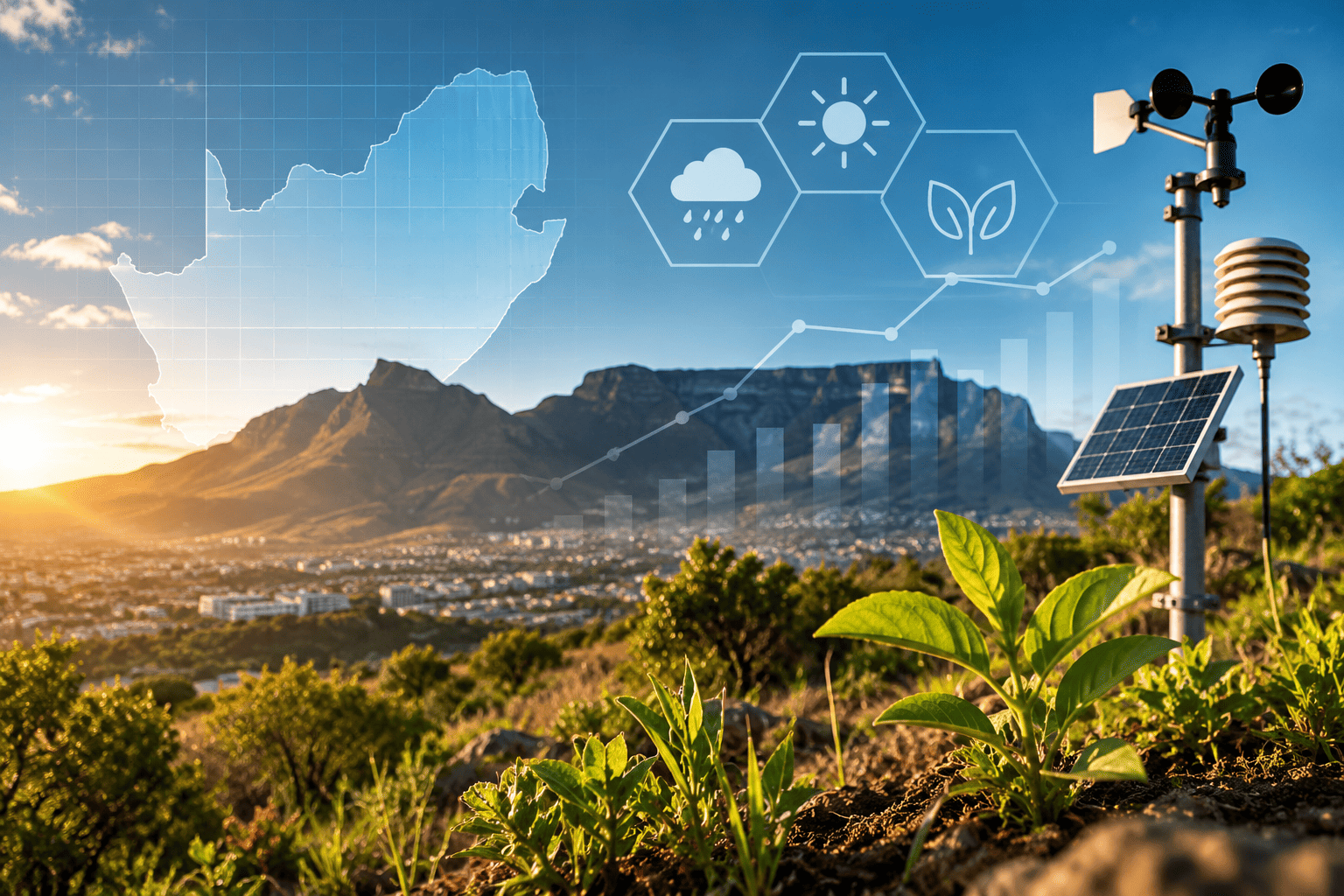
South Africa already has something incredibly valuable in the fight against climate change: decades of data sitting in databases, weather stations and scientific networks. The real challenge is turning that information into action.
Climate data can tell us where risks are emerging, how weather patterns are changing and which communities, assets and industries may be most exposed. But data on its own cannot protect a business from a flood, keep water flowing during a drought or make infrastructure more resilient. Its value comes when organisations can understand it, share it and use it to make better decisions.
South Africa has a climate data head start
South Africa has been collecting weather and environmental information for generations. The South African Weather Service (SAWS), for example, has a climate data history stretching back more than a century. Historical records can provide valuable insight into rainfall, temperatures, droughts and extreme weather patterns.
There is also the South African Environmental Observation Network (SAEON), which collects environmental data across different ecosystems and locations. Together, these resources represent an important foundation for understanding how South Africa’s climate is changing.
The opportunity now is to make that information increasingly useful to the people making decisions about infrastructure, investment, agriculture, water, insurance and business continuity.
From historical records to future risk
Imagine a business considering whether to build a new facility in a particular area. Looking at today’s conditions provides only part of the picture. Historical climate data can help reveal patterns of rainfall, temperature and extreme weather, while modelling can help organisations consider how those risks could evolve.
That information could influence everything from where an asset is built to how it is designed and insured. The same principle applies to municipalities, financial institutions, farmers and infrastructure planners.
Historical rainfall data, for example, can contribute to better assessments of flooding risk. Environmental vulnerability maps can help identify areas exposed to climate hazards. When combined with other datasets, this information can support more informed planning.
In other words, data can turn climate uncertainty into something businesses can begin to quantify and manage.
The power of sharing what we know
One of the biggest opportunities is collaboration. Government institutions, universities, research organisations, businesses and civil society may each hold different pieces of the climate puzzle. When those datasets, skills and insights are brought together, they can produce a much richer understanding of risk.
But collaboration requires more than simply putting information online.
Data needs to be accessible, understandable and usable. Organisations need the skills to interpret it, and decision-makers need to understand what the findings mean for their operations. This makes data literacy just as important as data availability.
Technology can help close the gap
Digital tools are changing what organisations can do with large volumes of information. Climate datasets can be combined with geographic information, infrastructure records, economic information and business data to identify patterns and potential vulnerabilities.
Predictive models can help organisations explore possible future scenarios, while digital mapping can make complex information easier to understand. For businesses, this could support better decisions around supply chains, asset locations, insurance, investment and resilience planning.
But technology should not become a substitute for human expertise. The best results come when data scientists, climate specialists, businesses and policymakers work together to interpret information and turn it into practical solutions.
Climate data has a social dimension
Climate risk does not affect every community equally. A flood, drought or heatwave can have very different consequences depending on where people live, the infrastructure available to them and their ability to recover.
That makes inclusive participation important when developing climate solutions. Communities need to be part of conversations about the risks affecting them, while organisations need to communicate climate information in ways that people can actually understand and use.
Better data should ultimately lead to better decisions for both businesses and society.
From data to decisions
South Africa does not necessarily need to start from scratch when it comes to climate intelligence. Much of the groundwork already exists. The opportunity is to connect the dots.
When historical climate records, scientific research, environmental observations, digital technology and business intelligence are brought together, organisations can move from simply reacting to climate events to preparing for them.
That shift matters financially, too. Better information can help businesses identify risks earlier, protect assets, strengthen supply chains and make more informed investment decisions.
Final thoughts
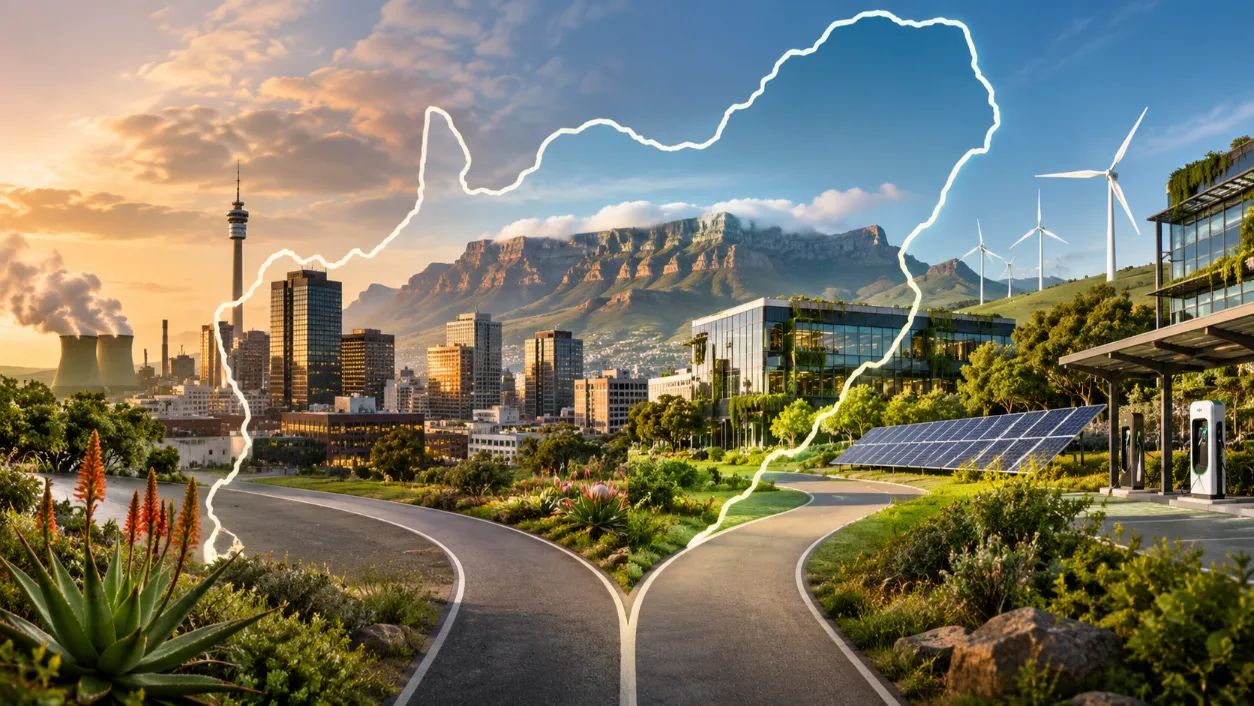
Climate data may not be as eye-catching as a new solar farm or a cutting-edge electric vehicle, but it is one of the tools that can help make those investments smarter. South Africa has a wealth of climate and environmental information. The next step is making sure that information reaches the people who can turn it into meaningful action.
Collaboration, open access, digital innovation and stronger data literacy can help bridge that gap, creating a climate-resilient economy that is better prepared for what lies ahead. For organisations looking to understand climate risk, strengthen ESG decision-making and turn sustainability information into business value, visit Six Capitals to explore its ESG advisory services.
Click here to download the blog.